Wilpattu National Park, located in the northwest of Sri Lanka, is the country's largest and one of the most important protected areas for wildlife. Known for its dense forests and unique "willus" (natural sand-rimmed water basins), the park provides a haven for a diverse range of flora and fauna.
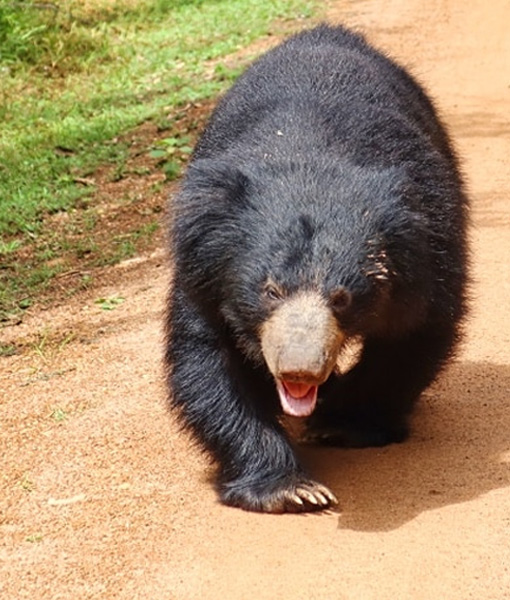
Sri Lankan Sloth Bear
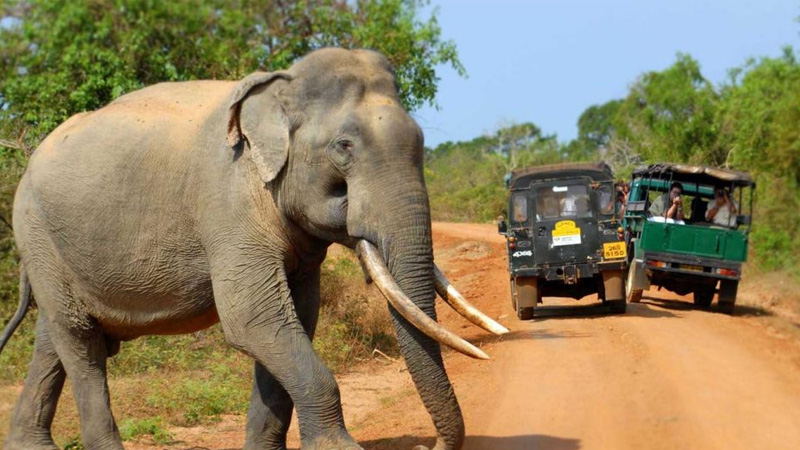
Discover Wild Giants
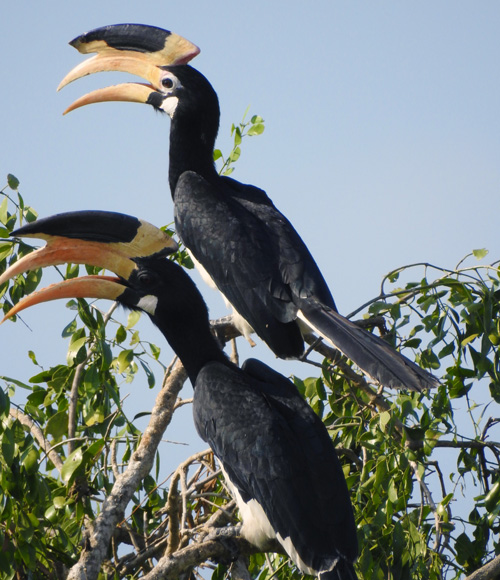
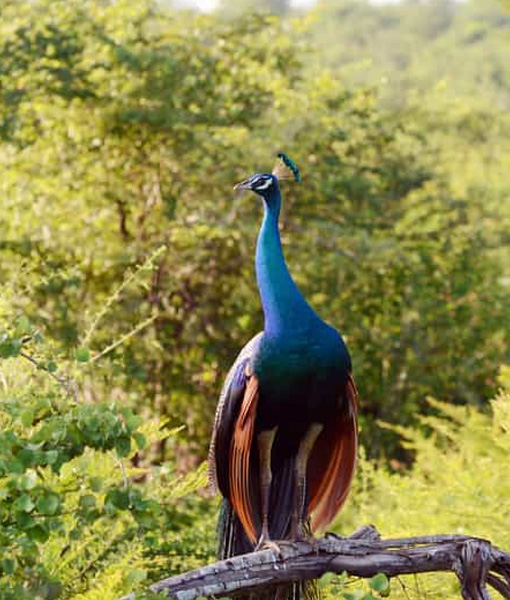
Malabar Pied
Discover Wildlife
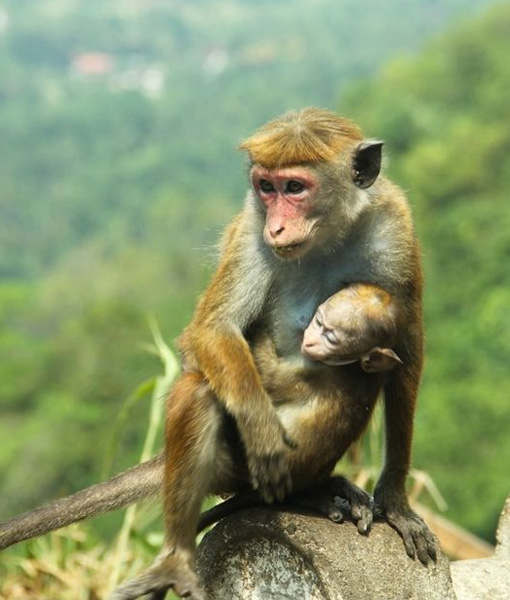
Toque Macaque "Rillow"
Sri Lankan Sloth Bear
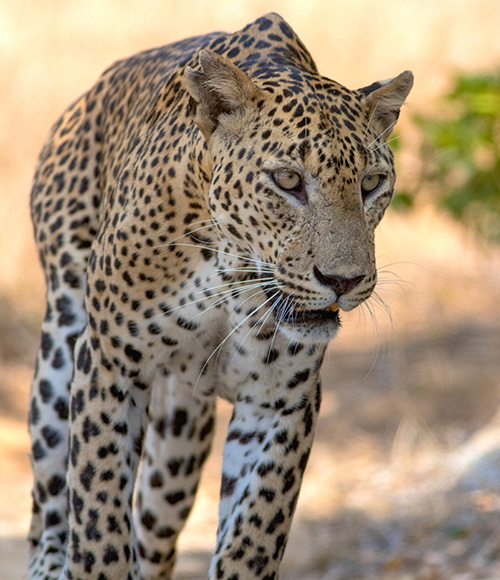
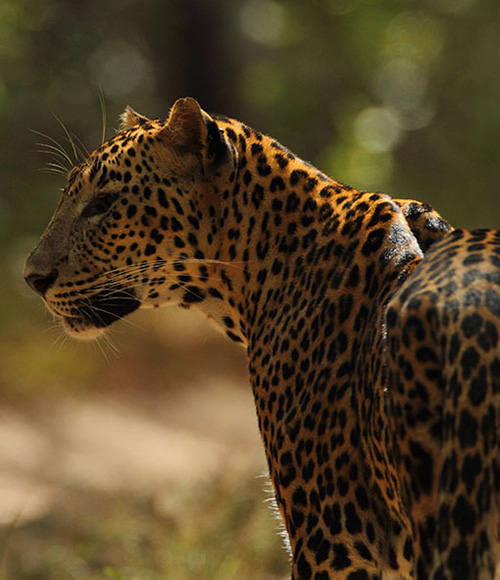
Sri Lankan Leopard
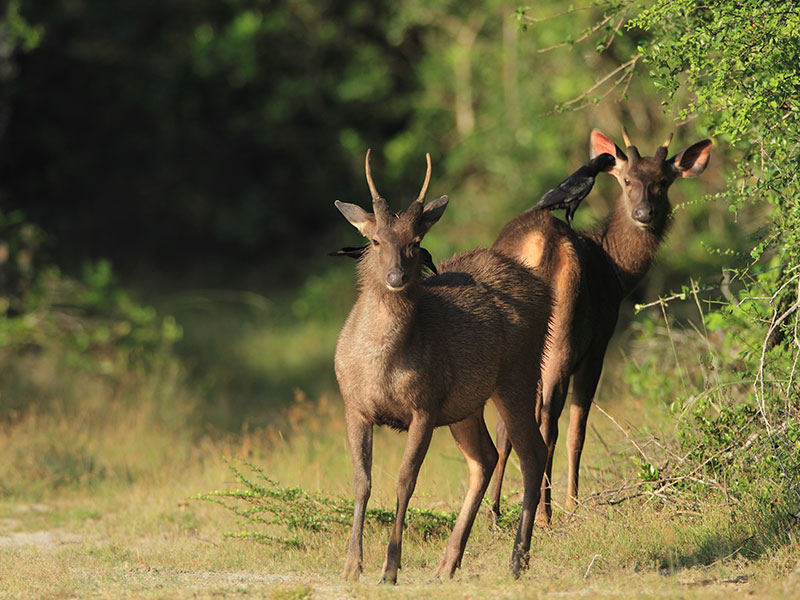
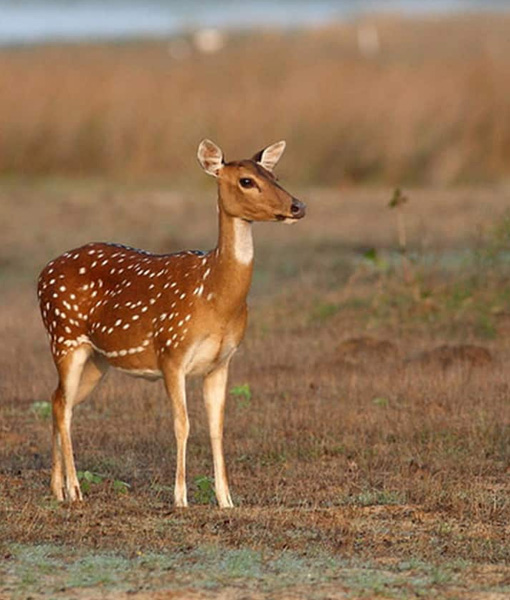
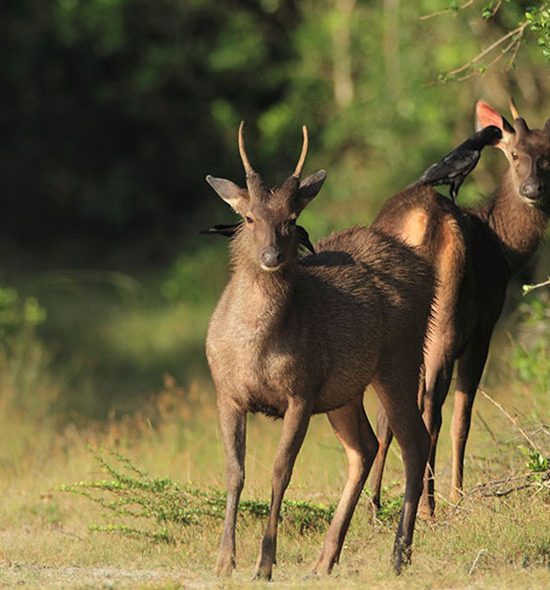
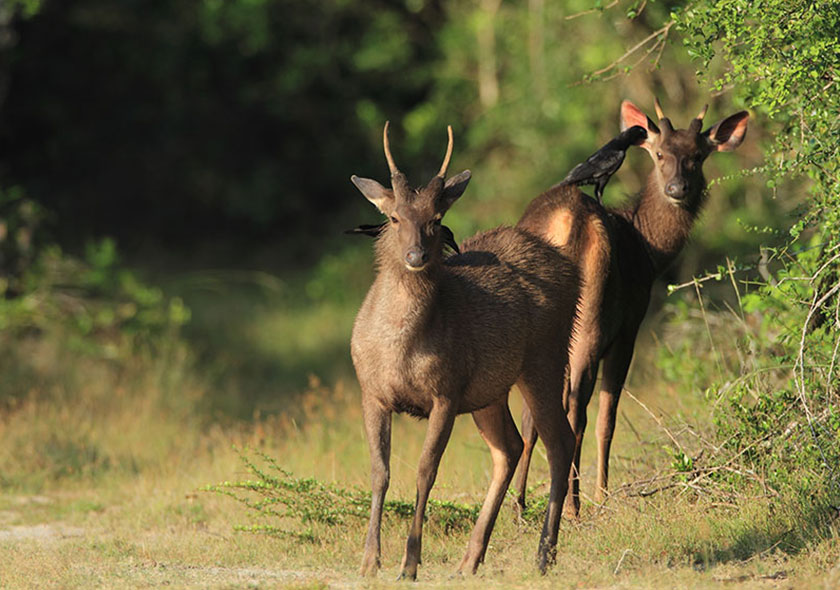
Spotted Deer
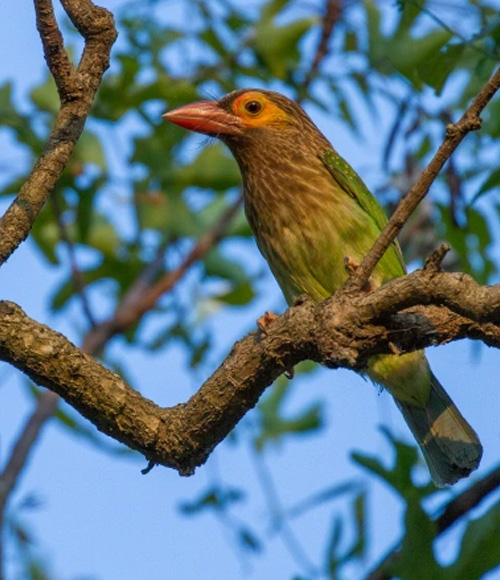
Bird Watching
Visit Kalpitiya
Enjoy the Diversity
Wildlife Highlights in Wilpattu:
Mammals:
Sri Lankan Leopard (Panthera pardus kotiya): Wilpattu is one of the best places to spot this elusive and majestic predator.
Sri Lankan Sloth Bear (Melursus ursinus inornatus): A rare sighting but more likely during the fruiting season.
Asian Elephants (Elephas maximus maximus): Though not as populous as in other parks, small herds can be seen roaming.
Spotted Deer (Axis axis), Sambar Deer (Rusa unicolor), and Wild Boar (Sus scrofa): Common grazers and prey species for the park’s predators.
Birds:
Wilpattu is a birdwatcher’s paradise with over 200 recorded species. Notable ones include:
Sri Lanka Junglefowl (Gallus lafayettii): The national bird of Sri Lanka.
Malabar Pied Hornbill (Anthracoceros coronatus): A striking species with a large casque.
Changeable Hawk-Eagle (Nisaetus cirrhatus): A common raptor.
Various migratory species like waders and waterfowl during the winter months.
Reptiles:
Mugger Crocodile (Crocodylus palustris): Often seen basking near water bodies.
Monitor Lizards: Both water and land monitors are prevalent.
A variety of snakes, including pythons and venomous species like cobras.
Amphibians and Insects:
The park’s wetlands are home to various amphibians, while its forests teem with colorful butterflies and other insects.
Key species include leopards, sloth bears, elephants, spotted deer, water buffalo, jackals, crocodiles, and a variety of bird species such as eagles, owls, and storks.
Yes, Wilpattu is considered safe for visitors, provided they follow the park rules and guidelines.
Exploring the Park:
Safari Tours: The best way to experience the park’s wildlife. Early morning or late afternoon safaris increase your chances of spotting elusive animals.
Guides and Rangers: Hiring a knowledgeable guide enhances the experience by helping identify species and sharing ecological insights.
Season: The best time to visit is between February and October, as the park remains lush and wildlife is active.